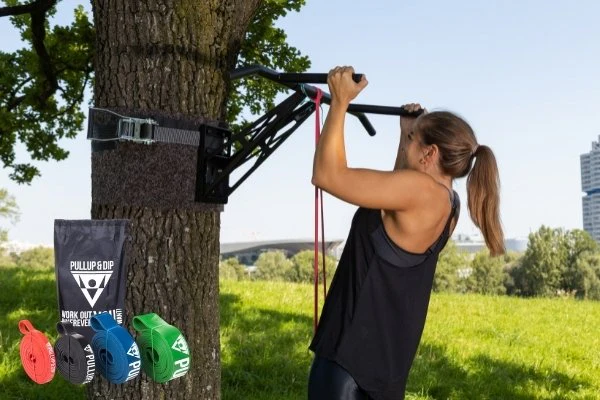
Installing a pull-up bar at home can be a great way to improve upper body strength, but many people worry about damaging their doorframes. The good news is that with careful selection and proper installation techniques, you can mount a doorway pull-up bar safely. Using the right equipment not only protects your home but also provides stability for effective workouts. For additional support and versatility, many users incorporate assisted pull-up bands with their bars. These bands make pull-ups more accessible for beginners and add challenge for advanced trainees, all without putting unnecessary stress on your doorway.
Choosing the Right Doorway Pull-Up Bar
Before installation, selecting a bar designed to minimize damage is essential. Most bars fall into two categories: tension-mounted and bracket-mounted. Tension-mounted bars rely on pressure to stay in place, avoiding screws or bolts, which reduces risk to the doorframe. Bracket-mounted bars provide greater stability but require minimal drilling into the wall or frame. Many models come with padded ends that distribute pressure evenly and protect wood or paint. When combined with assisted pull-up bands, these bars allow a full range of motion without forcing heavy load onto the frame. Choosing a bar with protective padding and secure grips is the first step to safe installation.
Preparing Your Doorway for Installation
Proper preparation ensures that your pull-up bar sits securely and doesn’t damage your doorframe. First, measure the width and height of your doorway to confirm compatibility. Clean the frame thoroughly to remove dust and debris that could affect bar stability. Place protective padding or rubber guards between the bar and frame if not included by the manufacturer. This distributes the pressure and prevents scratches or dents. Planning your setup and checking that the frame can support your weight are essential for safety, especially when using assisted pull-up bands to gradually increase your lifting capacity.
Step-by-Step Installation Tips
Begin by following the manufacturer’s instructions carefully. Tension-mounted bars typically require twisting or extending the bar to fit snugly across the frame. Ensure that the bar is level and the ends are firmly pressed against the doorframe. Bracket-mounted bars need pre-drilled holes and securely fastened screws. Test the bar gently before attempting full pull-ups, making sure it can bear your weight without shifting. When incorporating assisted pull-up bands, attach them to the bar according to the instructions, ensuring they are secure and aligned with your movement path. This step ensures both safety and effective resistance during training.
Safety Considerations and Maintenance
Even with careful installation, monitoring the pull-up bar over time is important. Check for loosened screws or shifts in tension regularly. Replace worn padding to maintain protection for your doorway. Inspect assisted pull-up bands before each session for signs of wear or fraying, as damaged bands can snap and cause injury. Avoid swinging or kipping movements unless the bar is rated for dynamic loads. Following these precautions ensures that your doorframe remains intact and your workouts stay safe and effective.
Conclusion: Safe and Effective Home Pull-Up Training
Installing a pull-up bar without damaging your doorframe is achievable with the right equipment and careful preparation. Selecting a padded, tension-mounted or bracket-mounted bar, measuring your doorway, and using proper installation techniques protects your home while providing a stable workout platform. Integrating assisted pull-up bands adds versatility, allowing gradual strength progression without extra stress on the frame. With consistent attention to safety and maintenance, you can enjoy effective pull-up training at home while keeping your doorway in excellent condition.
 MetsLinks